Sustainability at Dulux

Environmental sustainability is a core element of the Dulux
business philosophy. Dulux is committed to the ongoing research and
development of innovative products that are more sensitive towards
nature. This is evident in our proactive shift from solvent-based
products to water-based alternatives, and the introduction of
Australia's first low VOC paint in the early 1990's.
A member of the Green Building Council of Australia, Dulux
strives to strike a better environmental balance as illustrated in
our holistic approach to the overall painting process. From
initiating sustainable business partnerships, through to products
and even the actual clean-up stage, we are continually developing
new ways to reduce the environmental impact of our products,
without affecting their outstanding performance and the quality
results that Australia's professional and DIY painters have come to
expect from Dulux.

Health & Safety Practices
"No injuries to anyone, ever" is our safety vision statement, We
are committed to providing safe workplaces. From the time you enter
reception at any Dulux site you are aware of the company concern
with safety.
Acrylic Paints
Dulux Australia's development of environmental resposible
water-based paints as a replacement for many solvent-based paints
has been under way since the 1960's. Dulux Australia is now the
largest manufacturer of water-based paints. The benefit to the
environment is obvious. When solvent-based paint dries, a large
quantity of solvent evaporates into the atmosphere, contributing to
air pollution levels. On the other hand, water-based paint emits
mainly harmless water vapour into the air.
Low VOC Paints
Dulux has been at the forefront in introducing low VOC paints.
Low VOC paints are lower in Volatile Organic Compounds thereby
creating less emissions and less odour.
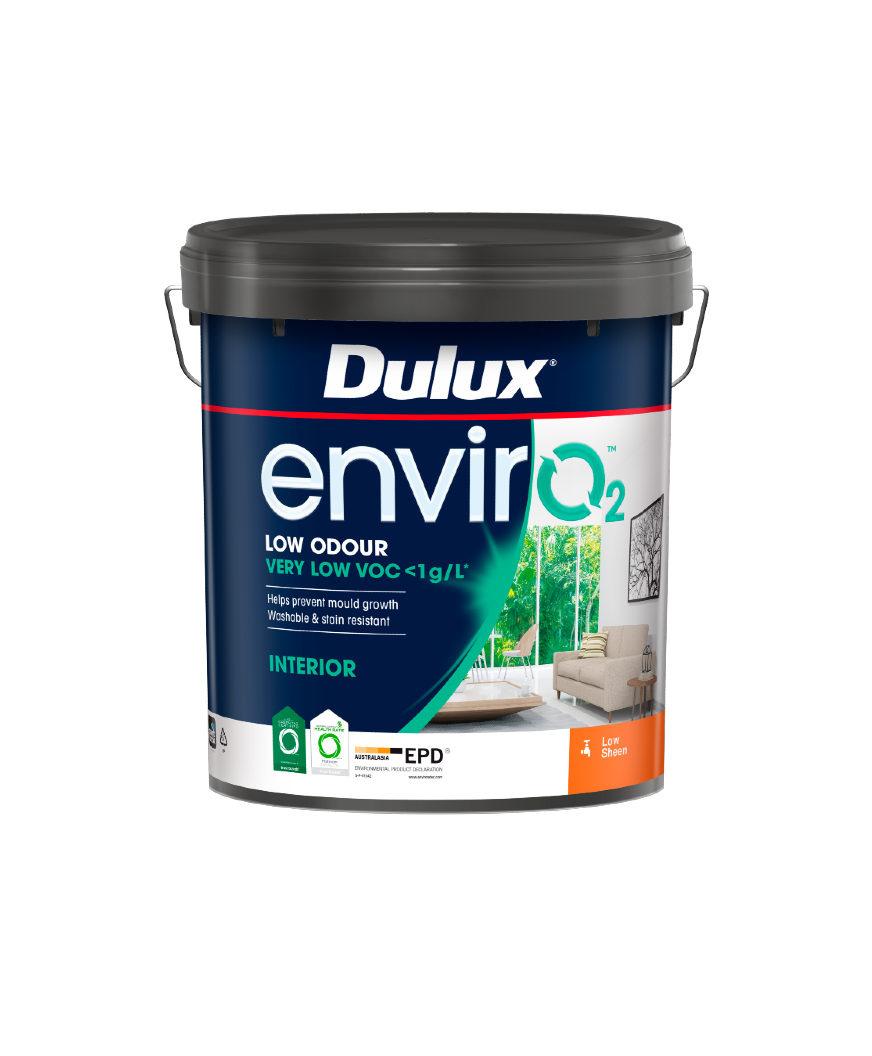
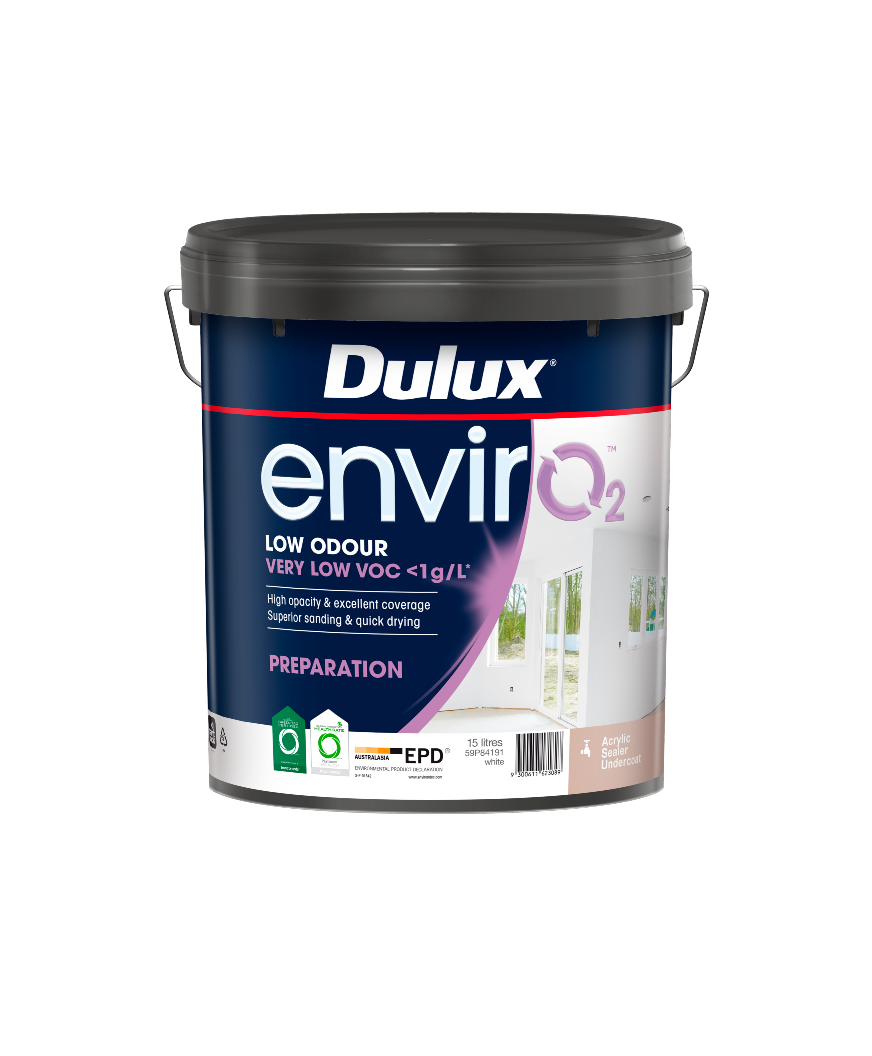
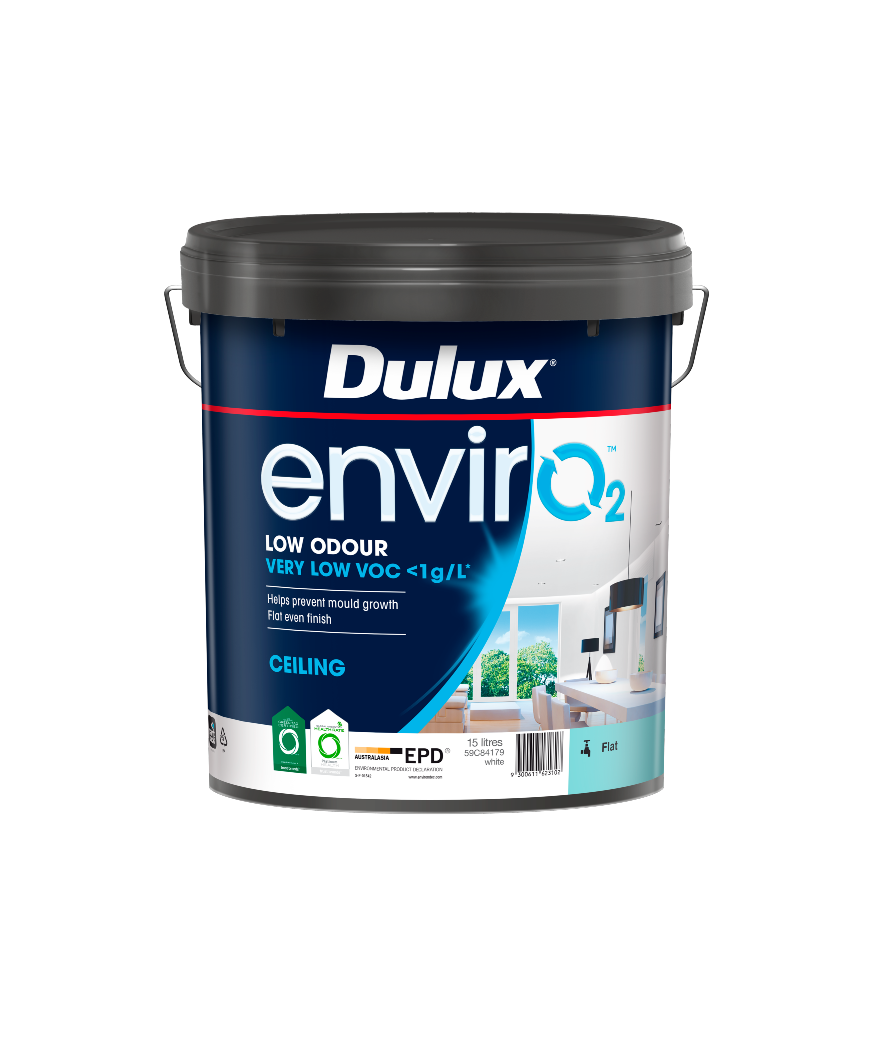
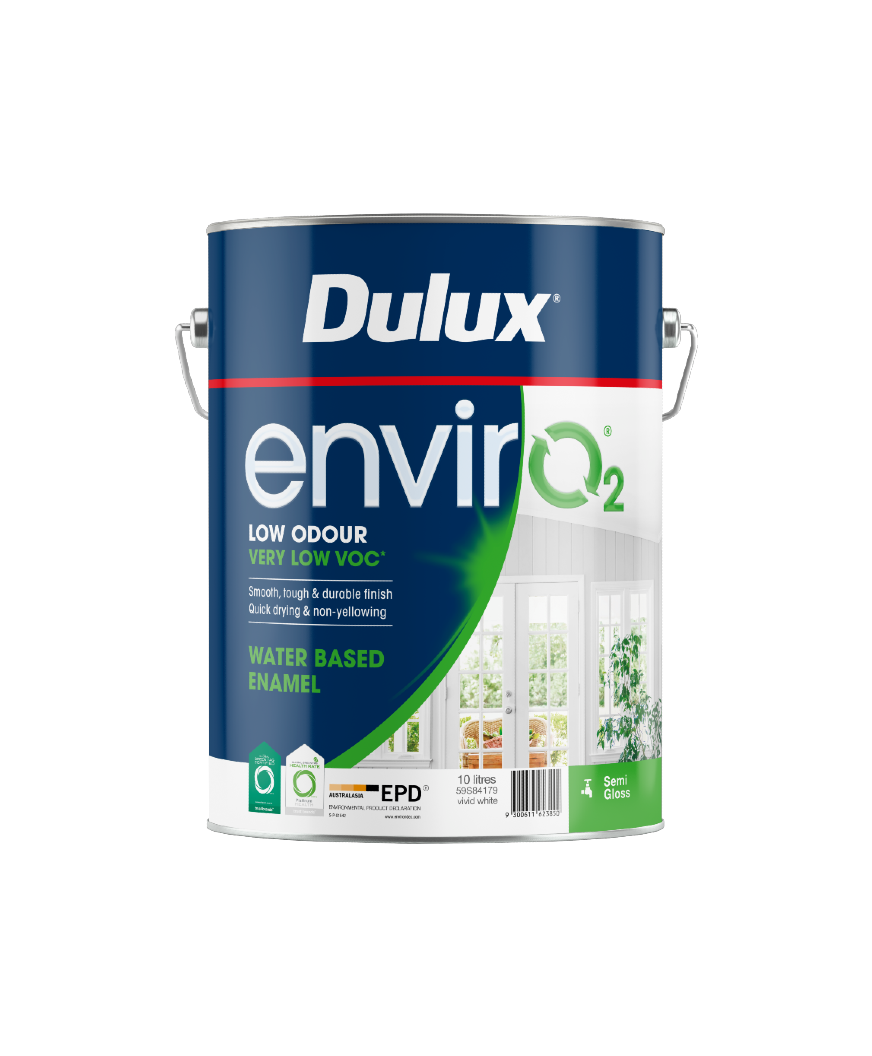
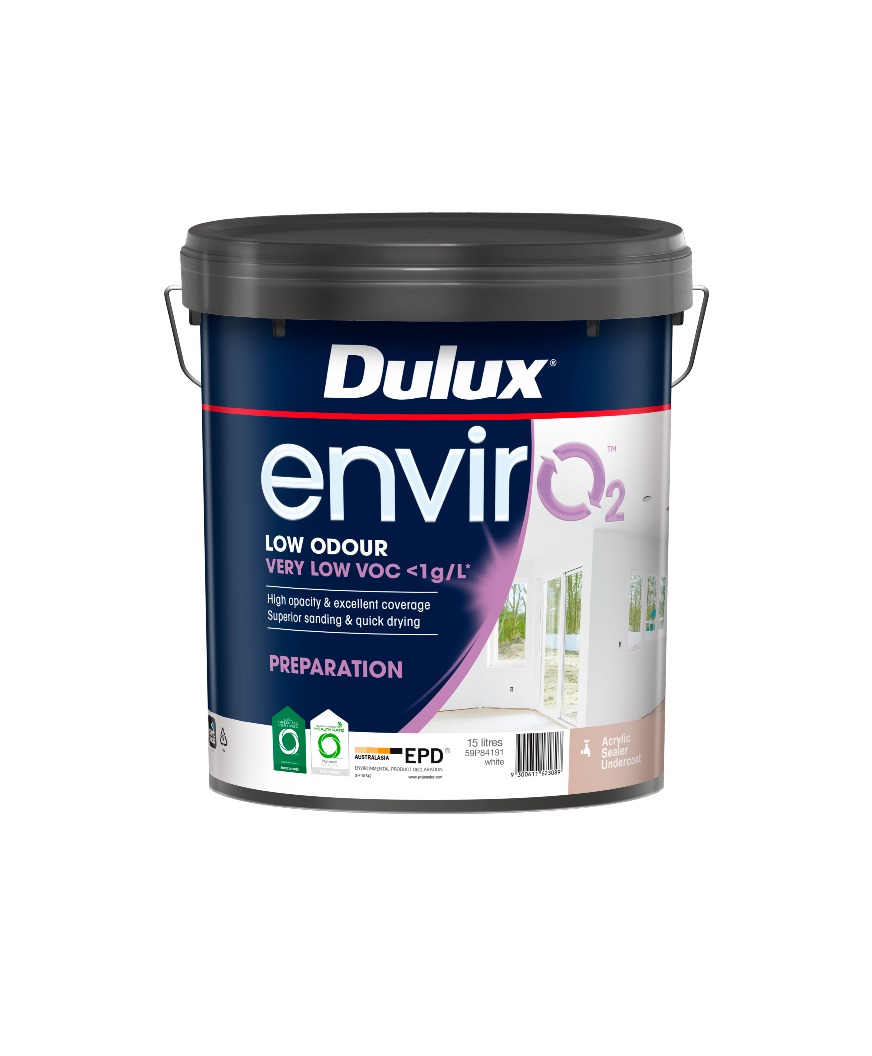
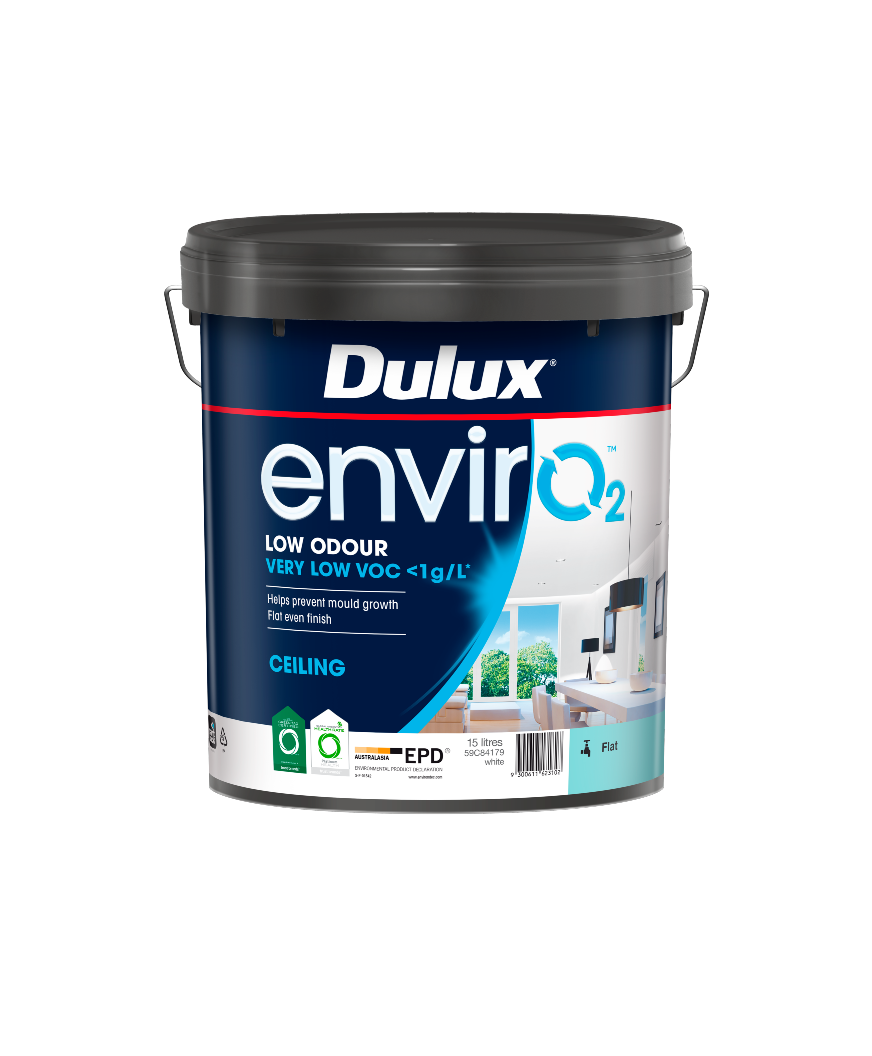
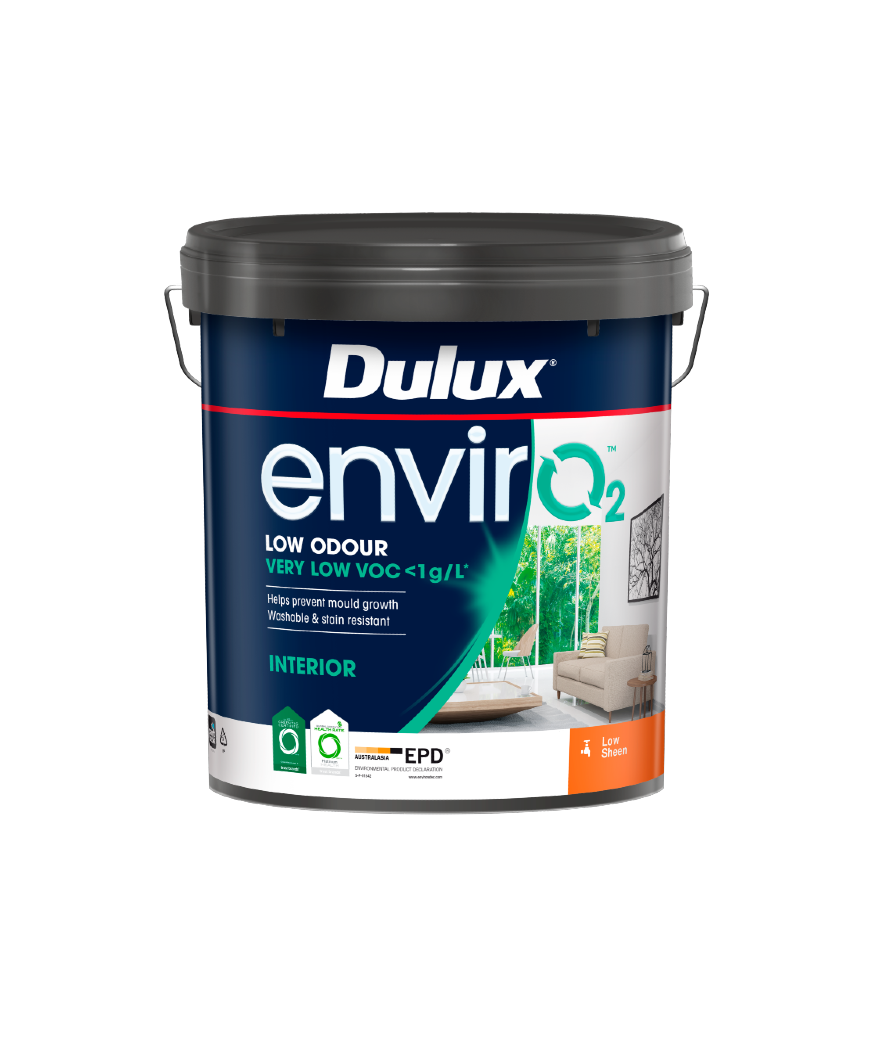
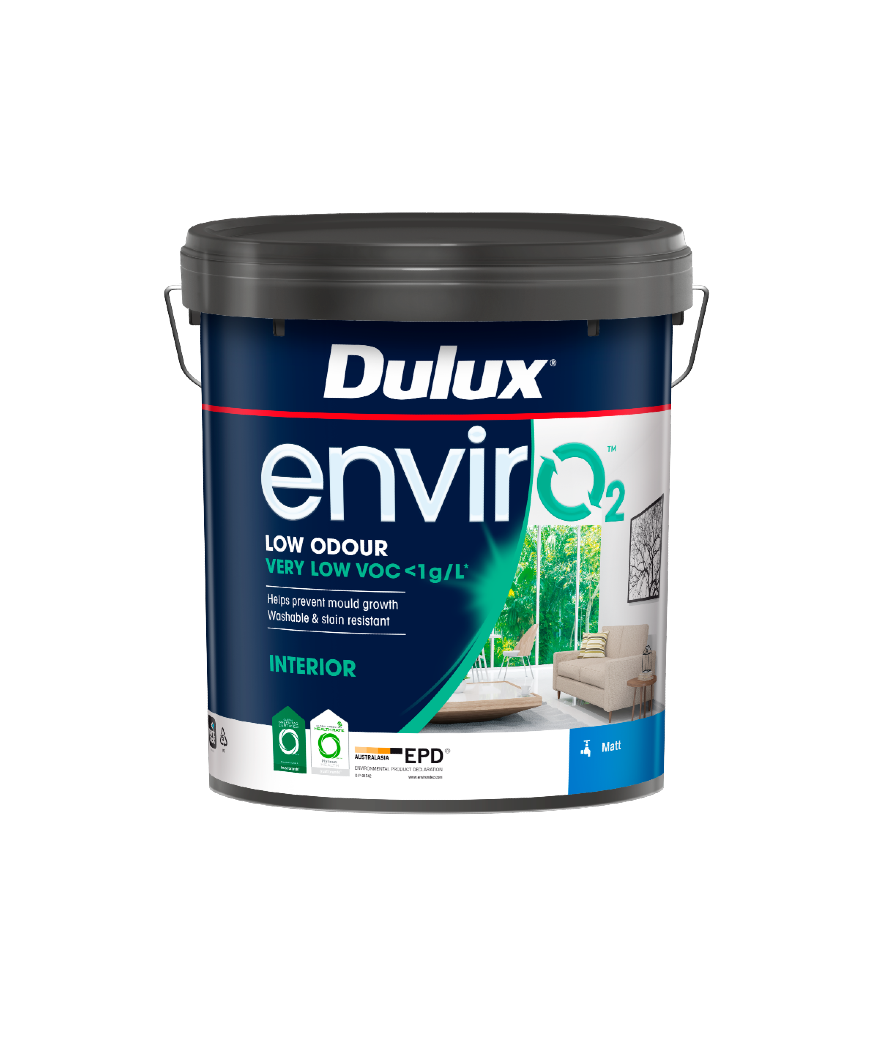
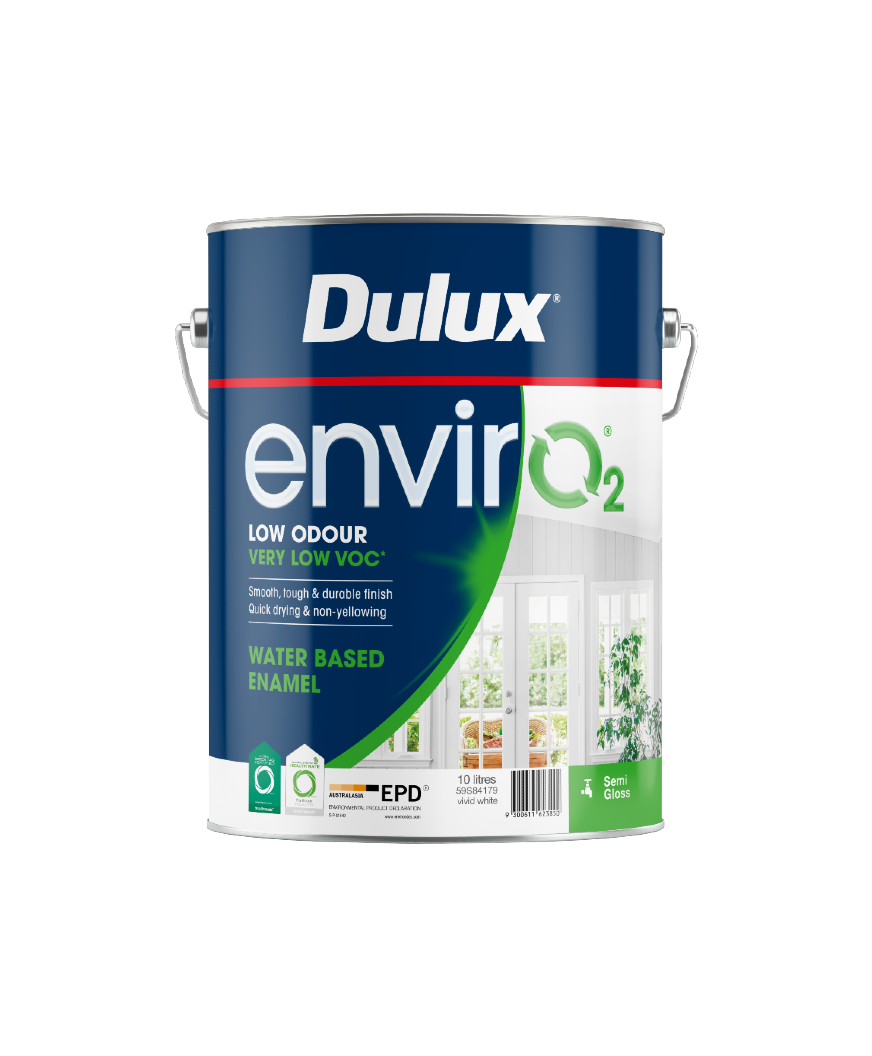
Dulux has introduced low VOC paints in Trade e.g Dulux
Professional Enviro2, DIY e.g Wash & Wear 101 Advanced and
tinters. The company is committed to further develop its low VOC
ranges.
The Dulux Eco Choice Range

High performance Dulux paints are now more
environmentally responsible.
When you see the Eco Choice symbol you can be confident
you are selecting quality Dulux paint that is kinder to our
environment.
When selecting premium quality paints with superior washability,
easy application, lower VOC's and lower paint odours - the choice
is easy. Dulux Prepcoat ASU, Wash and Wear and
Ceiling White provide a complete interior painting
solution.
Waste Management
Correct waste disposal is an essential and important part of
safe working practice. Every endeavour is made to minimise the
quality and quantity of waste generation, and hence reduce the
associated problem of waste disposal.
The Dulux EnviroWash System
The new Dulux EnviroWash System is an innovative, water-based
treatment system that turns paint wash-out into clean water and
inert solid waste, allowing for easier and safer
disposal. T
he first of its kind in the Australian market, the
patented Dulux EnviroWash System provides an environmentally
responsible way of washing out painting tools, such as brushes and
rollers, and minimises the negative impact of traditional paint
waste disposal methods. The EnviroWash System is efficient and fast
- separating paint solids from120 litres of water in only 1 hour.
The largest system can handle up to 800 litres of paint washings
and the EnviroWash System can process every type of acrylic paint
in Australia.The Dulux EnviroWash System helps industry adhere to
EPA guidelines as well as avoid stormwater pollution issues.
Increased community expectations of environmentally responsible
clean up processes make the system a must-have for the professional
painter.
Dulux Envirosolutions Waste Paint
Hardener
Dulux Envirosolutions Wast Paint Hardener converts unwanted
paint into solid waste which can then be safely disposed in
domestic waste. It is suitable for use in all water-based paints
and water-based timber coatings.
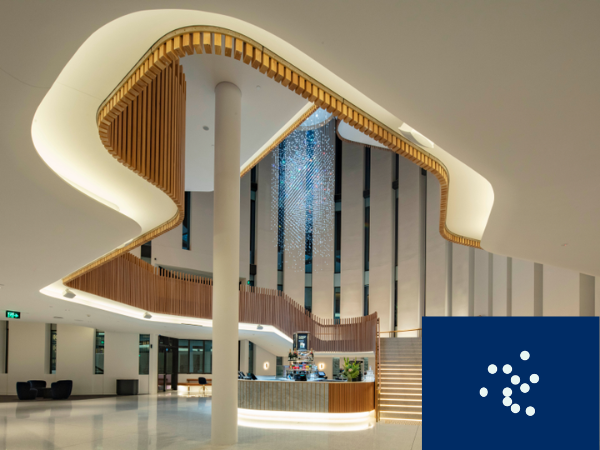
Dulux Head Office
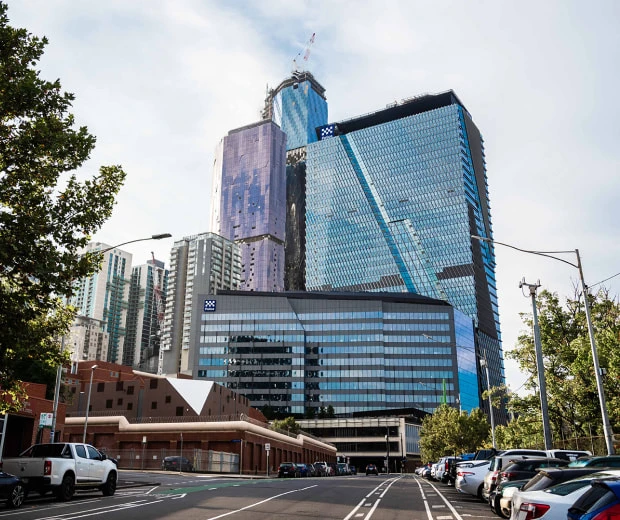
Dulux Head Office was designed for 6-Star Green Star
sustainability performance. Over 80% by weight construction waste
was re-used or recycled.

Top of the page