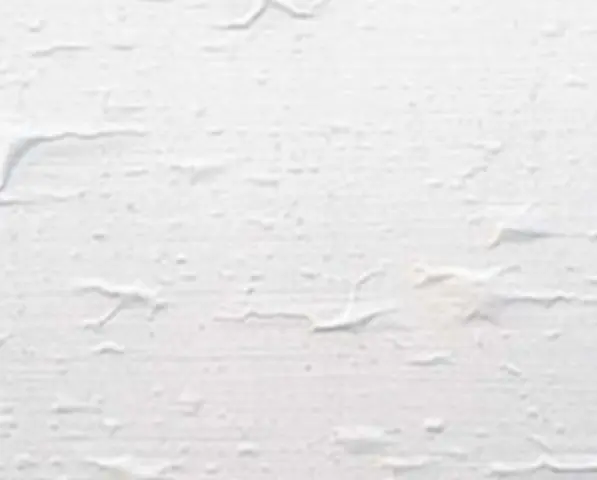
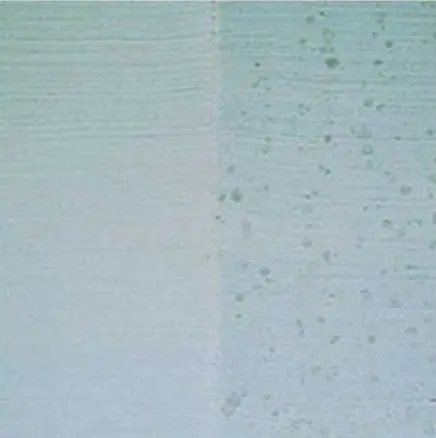
Alligatoring
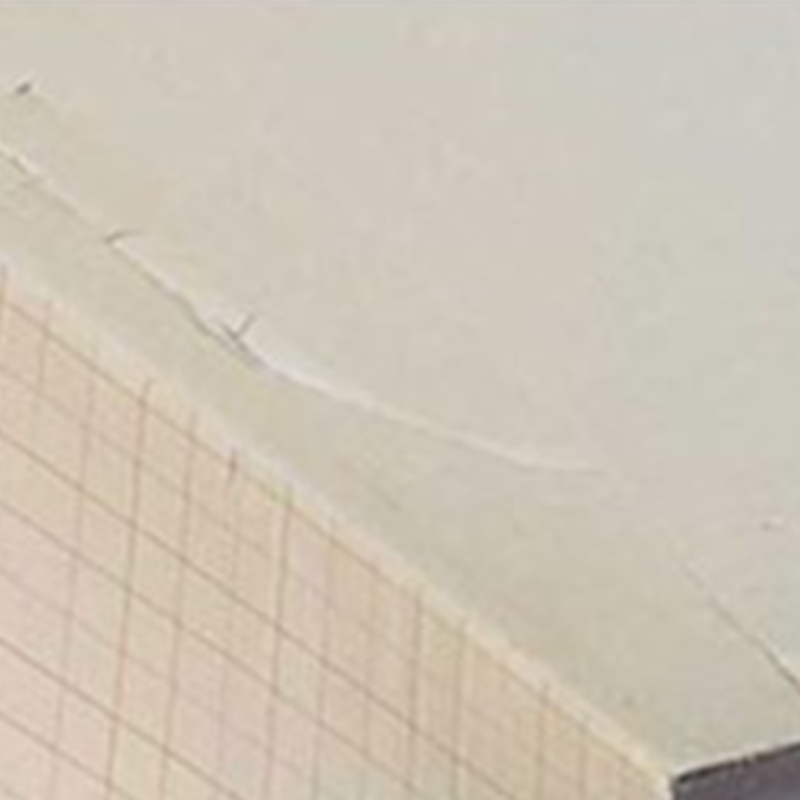
Patterned cracking in the surface of the paint film resembling
the regular scales of an alligator.

Possible Cause
- Application of an extremely hard, rigid coating, like a
solvent-based enamel, over a more flexible coating, like a
water-based primer.
- Application of a topcoat before the undercoat is dry.
- Natural aging of oil-based paints as temperatures fluctuate.
The constant expansion and contraction results in a loss of paint
film elasticity.
Solution
Old paint should be completely removed by scraping and sanding the
surface; a heat gun can be used to speed work on large surfaces,
but take care to avoid igniting paint or substrate. The surface
should be primed with a high quality water-based primer, then
painted with a top quality exterior water-based paint. Dulux
recommends Dulux Weathershield.
Blistering
Bubbles resulting from localized loss of adhesion and lifting of
the paint film from the underlying surface.

Possible Cause
- Painting a warm surface in direct sunlight.
- Application of oil-based or alkyd paint over a damp or wet
surface.
- Moisture escaping through the exterior walls (less likely with
latex paint than with oil-based or alkyd paint).
- Exposure of latex paint film to dew, high humidity or rain
shortly after paint has dried, especially if there was inadequate
surface preparation.
Solution
If blisters go down to the substrate, first try to remove the
source of moisture. Remove blisters by scraping, then sanding the
surface.
Prime any bare timber with a high quality water-based primer,
and repaint with a high quality water-based exterior paint. Dulux
recommends Dulux One Step Acrylic Primer Sealer Undercoat and Dulux
Weathershield.
Chalking
Formation of fine powder on the surface of the paint film during
weathering, which can cause colour fading. Although some degree of
chalking is a normal, desirable way for a paint film to wear,
excessive film erosion can result in heavy chalking.

Possible Cause
- Use of a low-grade, highly pigmented paint.
- Use of an interior paint for an outdoor application.
Solution
First, remove as much of the chalk residue as possible, using a
stiff bristle brush (or wire brush on masonry) and then rinse
thoroughly with a garden hose; or use power washing equipment.
Check for any remaining chalk by running a hand over the surface
after it dries. If noticeable chalk is still present, apply a
quality solvent-based or water-based primer (or comparable sealer
for masonry), then repaint with a quality exterior coating. If
little or no chalk remains and the old paint is sound, no priming
is necessary and the surface can be repainted with a quality
exterior paint. Dulux recommends Dulux Weathershield.
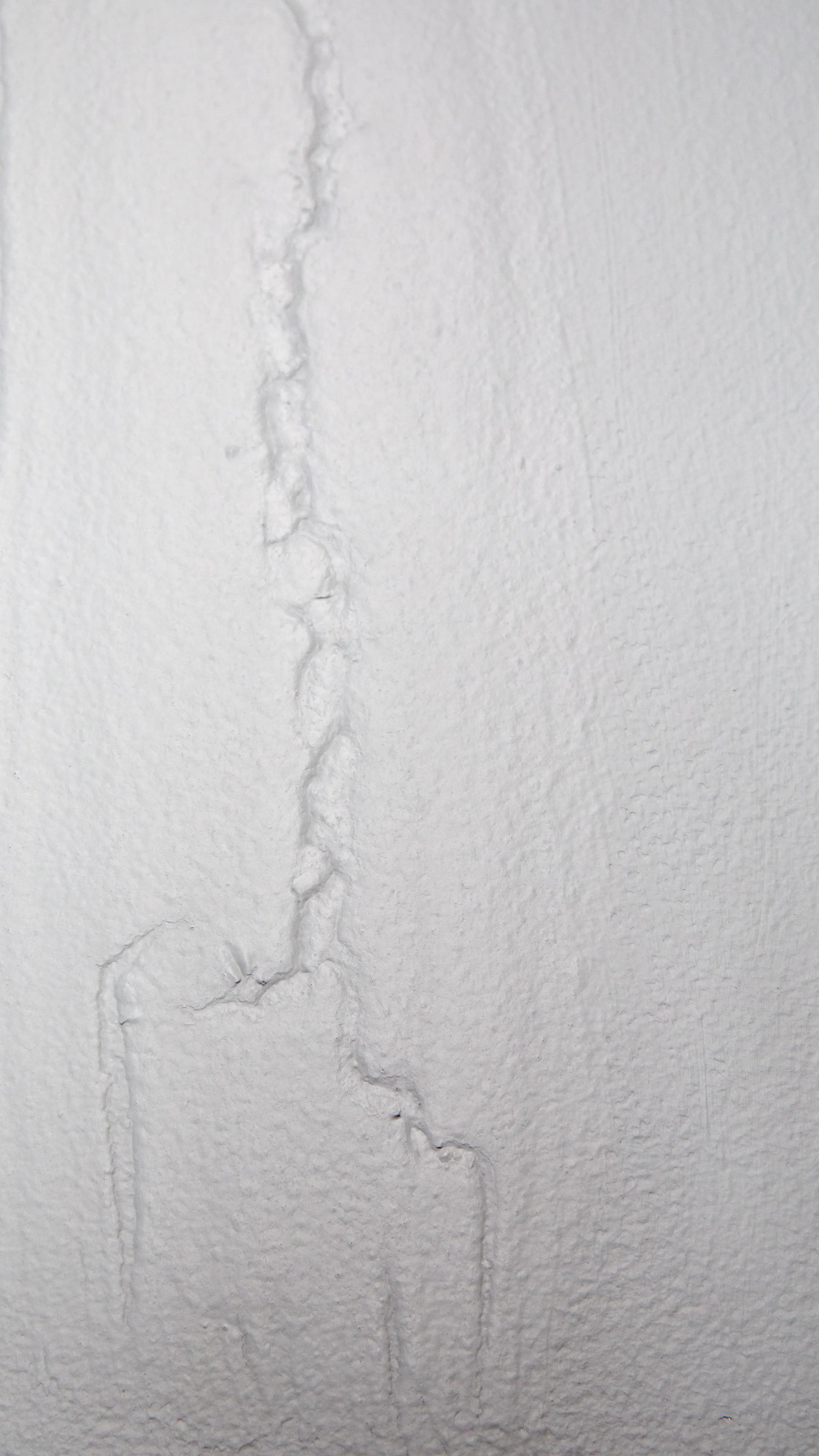
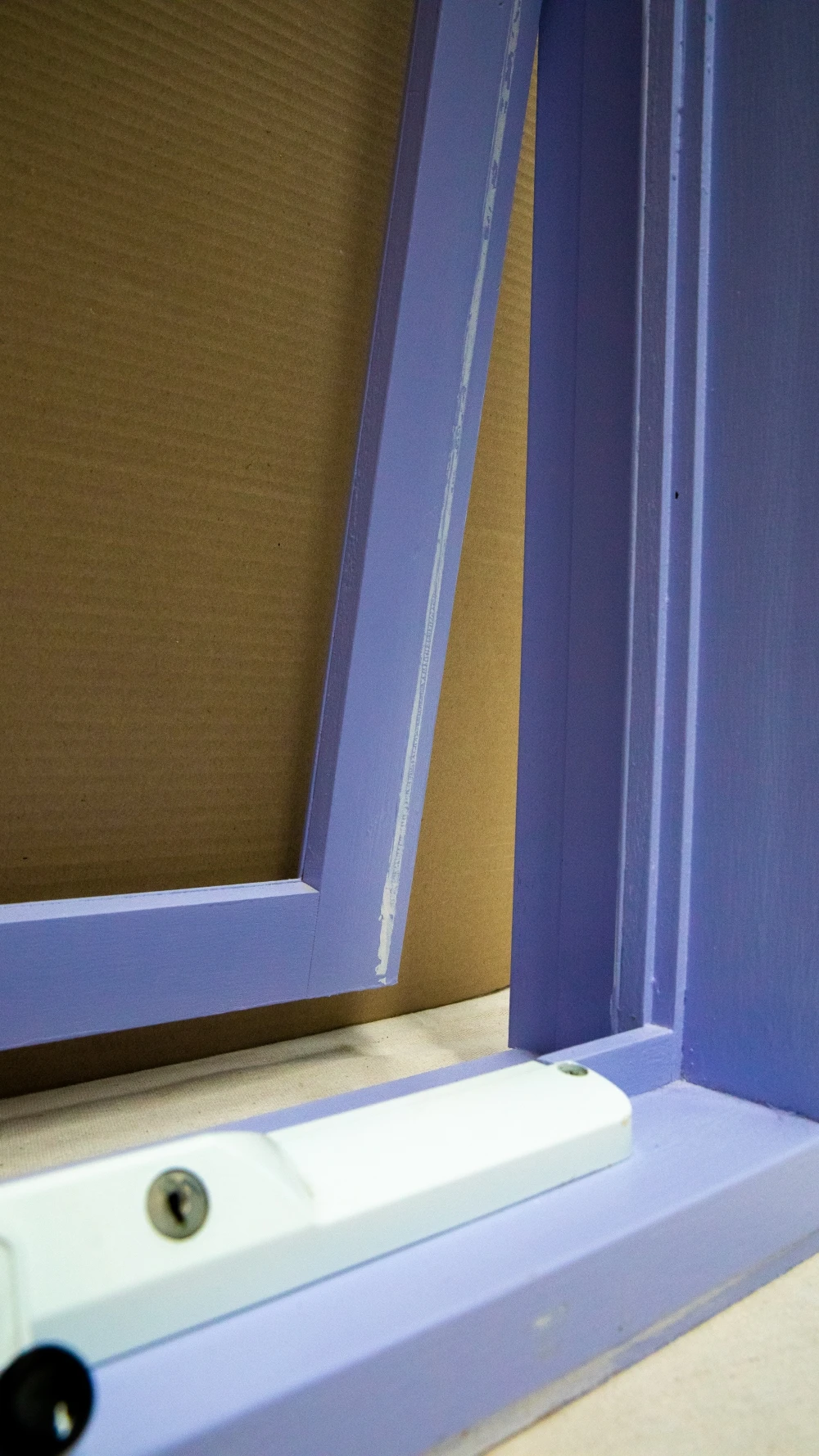
Cracking/Flaking
The splitting of a dry paint film through at least one coat,
which will lead to complete failure of the paint. Early on, the
problem appears as hairline cracks; later, flaking of paint chips
occurs.

Possible Cause
- Use of a lower quality paint that has inadequate adhesion and
flexibility.
- Over thinning the paint or spreading it too thin.
- Poor surface preparation, especially when the paint is applied
to bare timber without priming.
- Painting under hot or windy conditions that make water-based
paints dry too fast.
Solution
It may be possible to correct cracking that does not go down to
the substrate by removing the loose or flaking paint with a scraper
or wire brush, sanding to feather the edges, priming any bare spots
and repainting.
• If the cracking goes down to the substrate, remove all of the
paint by scraping, sanding and/or use of a heat gun; then prime and
repaint with a quality exterior water-based paint. Dulux recommends
Dulux Weathershield.
Dirt Pickup
Accumulation of dirt, dust particles and/or other debris on the
paint film; may resemble mildew.

Possible Cause
- Use of a low quality paint.
- Soil splashing onto the substrate.
- Air pollution, car exhaust and flying dust collecting on house
body and horizontal trim.
Solution
Wash off all surface dirt before priming and painting. If unsure
whether the problem is dirt or mildew, conduct a simple spot-test
(see Mildew). Clean off dirt with a scrub brush and detergent
solution, followed by a thorough rinsing with a garden hose.
Heavier dirt accumulations may require the use of a power
washer.
While dirt pickup can't be eliminated entirely, top quality
exterior latex paints typically offer superior dirt pickup
resistance and washability. Also, higher gloss paints are more
resistant to dirt pickup than flat paints, which are more porous
and can more easily entrap dirt. Dulux recommends Dulux
Weathershield Gloss.
Efflorescence/Mottling
Crusty, white salt deposits, leached from mortar or masonry as
water passes through it.

Possible Cause
- Failure to adequately prepare surface by removing all previous
efflorescence.
- Excess moisture escaping through the exterior masonry walls
from the inside.
Solution
If excess moisture is the cause, eliminate the source by repairing
the roof, cleaning out gutters and downspouts, and sealing any
cracks in the masonry with a high quality, water-based all-acrylic
caulk. If moist air is originating inside the building, consider
installing vents or exhaust fans, especially in kitchen, bathroom
and laundry areas. Remove the efflorescence and all other loose
material with a wire brush, power brush or power washer; then
thoroughly rinse the surface. Apply a quality water-based or
solvent-based masonry sealer and allow it to dry completely; then
apply a coat of top quality exterior house paint, masonry paint or
elastomeric wall coating. Dulux recommends Weathershield Matt.
Fading/Poor Colour Retention
Premature and/or excessive lightening of the paint color, which
often occurs on surfaces with a sunny exposure. Fading/poor colour
retention can also be a result of chalking of the coating.

Possible Cause
- Use of an interior grade of paint for an outdoor
application.
- Use of a lower quality paint, leading to rapid degradation
(chalking) of the paint film.
- Use of a paint color that is particularly vulnerable to UV
radiation (most notably, certain bright reds, blues and
yellows).
- Tinting a white paint not intended for tinting, or over tinting
a light or medium paint base.
Solution
When fading/poor color retention is a result of chalking, it is
necessary to remove as much of the chalk as possible (see
Chalking). In repainting, be sure to use a quality exterior house
paint in colours recommended for exterior use. Dulux recommends
Dulux Weathershield.
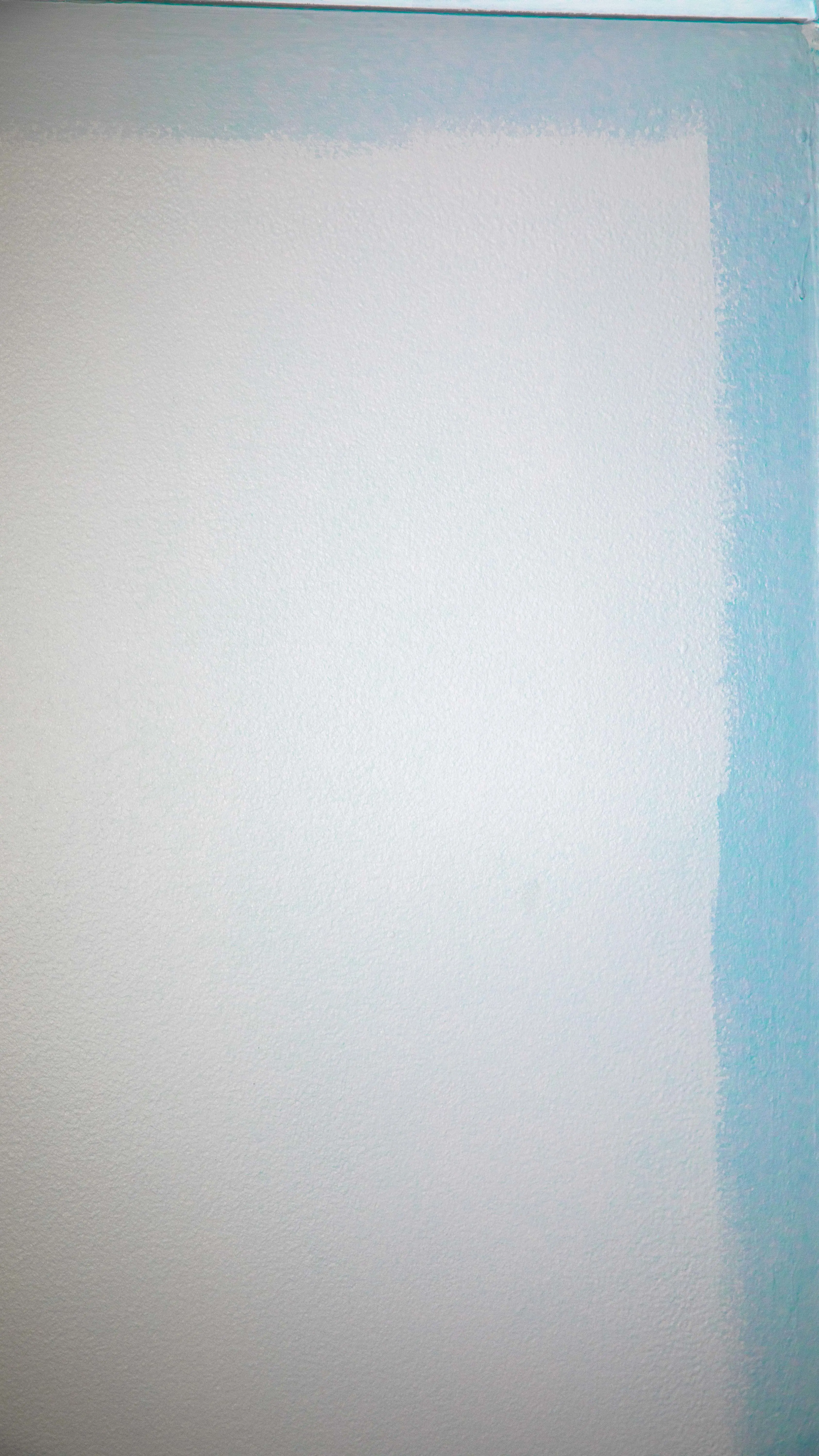
Lapping
Appearance of a denser colour or higher gloss where wet and dry
layers overlap during paint application.

Possible Cause
Failure to maintain a 'wet edge' when applying
paint.
Solution
Maintain a wet edge when painting by applying paint toward the
unpainted area and then back into the just-painted surface. This
technique (brushing from "wet to dry," rather than vice versa) will
help produce a smooth, uniform appearance. It is also wise to
minimise the area being painted and plan for interruptions at a
natural break, such as a window, door or corner (especially
important when applying stain
to bare wood). Solvent-based paints generally have superior wet
edge properties.
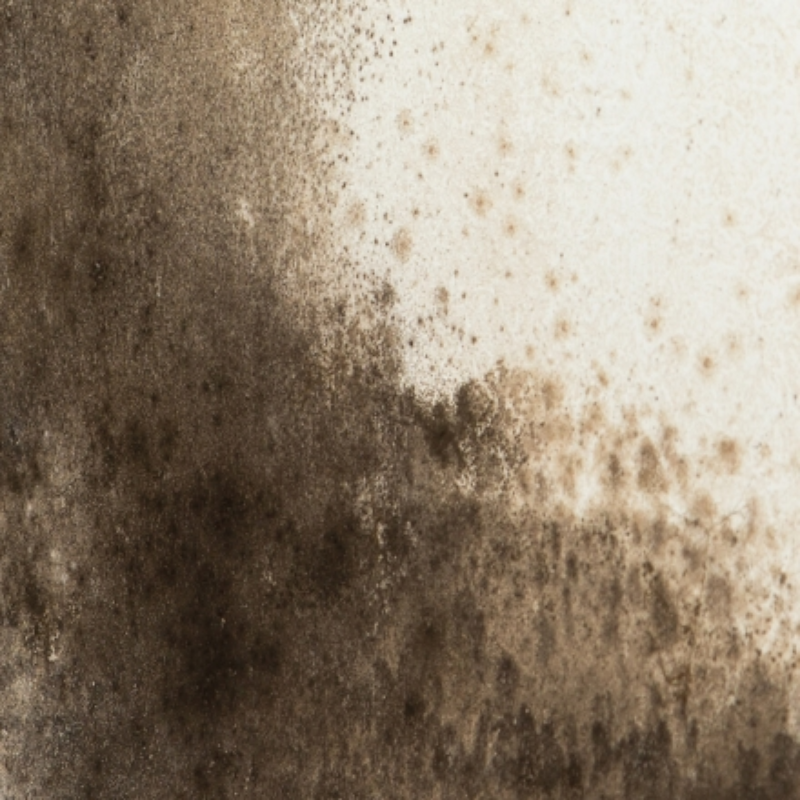
Mould
Black, gray or brown areas on the painted surface.

Possible Cause
- Forms most often on areas that tend to be damp, and receive
little or no direct sunlight (the underside of eaves are
particularly vulnerable).
- Use of a lower quality paint.
- Failure to prime bare wood before painting.
- Painting over a substrate or coating on which mould has not
been removed.
Solution
Test for mould by applying a few drops of household bleach to the
discoloured area;
if it disappears, it is probably mildew. Remove all mildew from the
surface by scrubbing with a diluted household bleach solution (one
part bleach, three parts water); wear rubber gloves and eye
protection. Power washing is also an option. Rinse thoroughly,
prime any bare timber, then apply one or two coats of top quality
exterior paint. Dulux recommends Dulux Weathershield.
Nail Head Rusting
Reddish-brown stains on the paint surface.

Possible Cause
- Non-galvanized iron nails have begun to rust, causing
bleed-through to the top coat.
- Non-galvanized iron nails have not been countersunk and filled
over.
- Galvanized nail heads have begun to rust after sanding or
excessive weathering.
Solution
When painting new exterior construction where non-galvanized nails
have been used, it is advisable to first countersink the nail
heads, then caulk them with a top quality, water-based all-acrylic
caulk. Each nail head area should be spot primed, then painted with
a quality latex coating. When repainting exteriors, where nail head
rusting has occurred, wash off rust stains, sand the nail heads,
then follow the same surface preparation procedures as for new
construction.
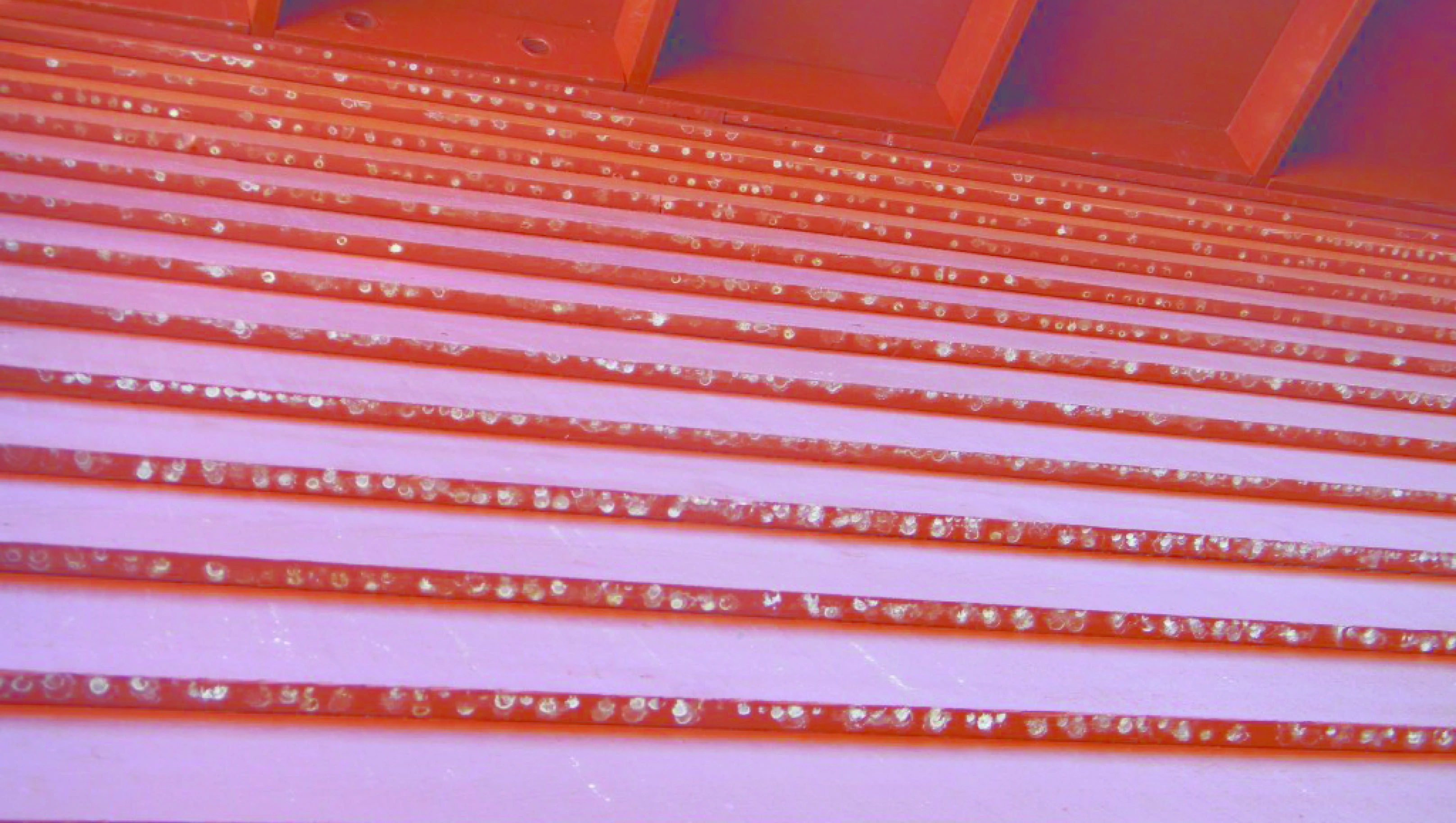
Peeling
Loss of paint due to poor adhesion. Where there is a primer and
top coat, or multiple coats of paint, peeling may involve some or
all coats.

Possible Cause
- Seepage of moisture through uncaulked joints, worn caulk or
leaks in roof or walls.
- Excess moisture escaping through the exterior walls (more
likely if paint is solvent-based).
- Inadequate surface preparation.
- Use of lower quality paint.
- Applying a solvent-based paint over a wet surface.
- Earlier blistering of paint (see Blistering).
Solution
Try to identify and eliminate the cause of moisture (see
Efflorescence and Mottling). Prepare surface by removing all loose
paint with scraper or wire brush, sand rough surfaces, prime bare
timber. Repaint with a top quality water-based exterior paint for
best adhesion and water resistance. Dulux recommends Dulux One Step
Primer Sealer Undercoat and Dulux Weathershield.
Poor Alkali Resistance
Colour loss and overall deterioration of paint film on fresh
masonry.

Possible Cause
Coating was applied to new masonry that has not cured for a full
year. Fresh masonry is likely to contain lime, which is very
alkaline. Until the lime has a chance to react with carbon dioxide
from the air, the alkalinity of the masonry remains so high that it
can attack the integrity of the paint film.
Solution
Allow masonry surfaces to cure for at least 30 days, and ideally
for a full year, before painting. If this is not possible, apply a
quality, alkali-resistant sealer or water-based primer, followed by
a top quality 100 percent acrylic exterior paint. The acrylic
binder in these paints resists alkali attack. Dulux recommends
Dulux Weatehrshield.
Poor Gloss Retention
Deterioration of the paint film, resulting in excessive, or
rapid loss of lustre of the topcoat.

Possible Cause
- Use of an interior paint outdoors.
- Use of a lower quality paint.
• Use of solvent-based paint in areas of direct
sunlight.
Solution
Direct sunshine can degrade the binder and pigment of a paint,
causing it to chalk and lose its gloss. While all types of paint
will lose some degree of lustre over time, lower quality paints
will generally lose gloss much earlier than better grades. The
binder in top quality acrylic latex paint is especially resistant
to UV radiation, while solvent-based binders actually absorb the
radiation, causing the binders to break down. Surface preparation
for a coating showing poor gloss retention should be similar to
that used in chalking surfaces (see Chalking).
Surfactant Leaching
Concentration of water-soluble ingredients on water-based paint,
creating a blotchy, sometimes glossy appearance, often with a tan
or brownish cast. More likely with tinted paints than with white or
factory-coloured paints.

Possible Cause
- Painting in cool, humid conditions or just before they occur.
The longer drying time allows the paint's water-soluble ingredients
- which would normally evaporate, or be leached out by rain or dew
- to rise to the surface before paint thoroughly dries.
- Contact of mist, dew or other moisture with the painted surface
shortly after it has dried.
Solution
Avoid painting in the late afternoon if cool, damp
conditions are expected in the evening or overnight. If the problem
occurs in the first day or so after the paint is applied, the
water-soluble material can sometimes be rinsed off rather easily.
Fortunately, even more stubborn cases will generally weather off in
a month or so. Surfactant leaching should not affect the ultimate
durability of the coating.
Tannin Staining
Brownish or tan discoloration on the paint surface due to
migration of tannins from the substrate through the paint film.
Typically occurs on 'staining timbers,' such as redwood, cedar and
mahogany, or over painted knots in certain other timer species.

Possible Cause
- Failure to adequately prime and seal the surface before
applying the paint.
- Use of a primer that is not sufficiently stain-resistant.
- Excess moisture escaping through the exterior walls, which can
carry the stain to the paint surface.
Solution
Correct any possible sources of excess moisture (see Efflorescence
and Mottling). After thoroughly cleaning the surface, apply a high
quality stain-resistant solvent-based or water-based primer.
Solvent-based stain-resistant primers are the best type to use on
severely staining boards. In extreme cases, a second coat of primer
can be applied after the first has dried thoroughly. Finish with a
top quality water-based paint. Dulux recommends Dulux One Step Oil
Based Primer Sealer Undercoat and Dulux Weathershield.
Wrinkling
A rough, crinkled paint surface occurring when paint forms a
'skin.'

Possible Cause
- Paint applied too thickly (more likely when using solvent-based
paints).
- Painting a hot surface or in very hot weather.
- Exposure of uncured paint to rain, dew, fog or high humidity
levels.
- Applying the topcoat to insufficiently dried first coat.
- Painting over contaminated surface (e.g., dirt or wax).
Solution
Scrape or sand substrate to remove wrinkled coating. Repaint,
applying an even coat of top quality exterior paint. Make sure the
first coat or primer is dry before applying the topcoat. Apply
paints at the manufacturer's recommended spread rate (two coats at
the recommended spread rate are better than one thick coat). When
painting during extremely humid, cool or damp weather, allow extra
time for the paint to dry completely.