Application and
Painting Techniques

Following these tips will help you achieve the quality paint job
you are after. When you have finished, you will have the rewarding
experience of stepping back and admiring your handy work.
When to paint
The temperature of your house affects the performance of paint.
The wall temperature must be above 10C throughout the
painting process. You should generally avoid painting in
extremely hot or cold conditions.
If it looks like rain, remember the painter's rule; if you wouldn't
hang the washing out or wash the car, don't paint! Nothing is more
disappointing than seeing your work ruined!
Using acrylics in hot weather
Because most acrylics are touch dry in twenty minutes at 25
degrees and 50% humidity, the hottest weather in the summer months
will accelerate this drying process. To slow down the drying rate,
Dulux Hot Weather Thinner may be added to the paint at the rate of
50ml per litre. A good tip for painting in summer is not to paint
in direct sunlight or onto a hot surface. Try to follow the shade
where possible. You can add up to approx 5% water. Also using 2
brushes - keeping one in a bucket of water and alternating them,
stops them drying out.
Choosing enamels or acrylics for exterior use
We would generally recommend the use of acrylics in exterior
situations. As enamels age they become very brittle and chalky and
therefore have a tendency to crack and flake off the surface. On
the other hand, acrylics retain their colour better, do not chalk
to any great extent and do not get brittle, giving a longer
lasting, more durable paint finish.
The greater flexibility and UV protection of Dulux Weathershield
is the preferred option. Dulux guarantees Weathershield for as long
as you live in your house. That's the Dulux
Promise.
Moving and Removing
If you haven't already done so, take down curtains, mirrors and
pictures. Move lightweight furniture out of the room. Cover
remaining furniture with plastic sheets or drop cloths and tape
plastic around pendant light fittings. Or if painting outside tie
back plants so you have clear access to the areas to be
painted.
Masking
Painting will be faster and cleaner if you mask first. Remove
masking tape or papers before the paint is too dry as removal later
can lift and break the dry paint leaving a cracked and jagged
edge.
The Painting Sequence
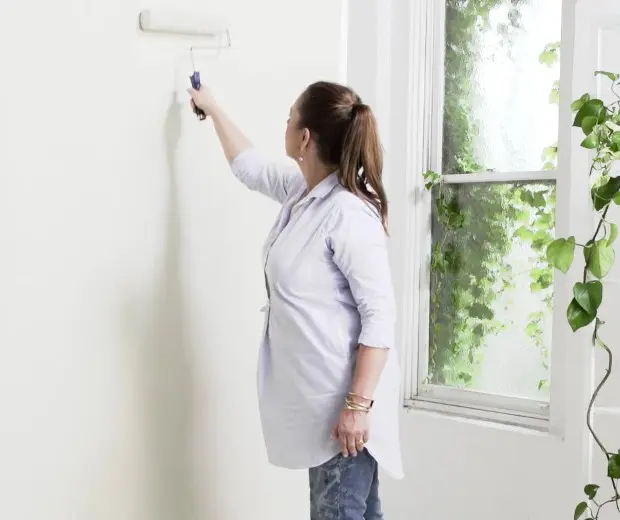
Start at the top and work down, this means beginning with the
ceiling. Paint away from the light source so you are not painting
in shadow. Next paint the walls, then the doors and windows,
followed by the skirting and the trim.
Weatherboards are painted in two stages. Paint the underside of the
board first then paint the face. Paint several boards at a time
then move your ladder over and continue along the rest of the
wall.
Mixing is Vital
Before applying paint; make sure you stir it well according to
the instructions on the can. Always 'box' your paint; i.e.. if you
are using more than one can, tip the contents of each into a larger
container, like a large plastic bucket, and stir thoroughly. You
can then pour it directly into your painting pot, or refill the
original tins for future use.
Brushing
Before use, moisten the brush in water if you are about to use a
water-based paint, or turps if you are about to use an oil-based
paint. Make sure you remove excess liquid before painting.
Fill the brush by dipping in up to half the length of the
bristles.
Tap it gently against the side of the can: don't wipe the brush
hard against the lip. The bristles should flex only slightly as you
brush - don't over press - let the paint flow from the brush.
If you are painting a large area by brush, apply paint to an area
about 50 cm X 50 cm, then brush the paint in horizontal strokes to
even the paint out and finish off with light vertical strokes all
in one direction.
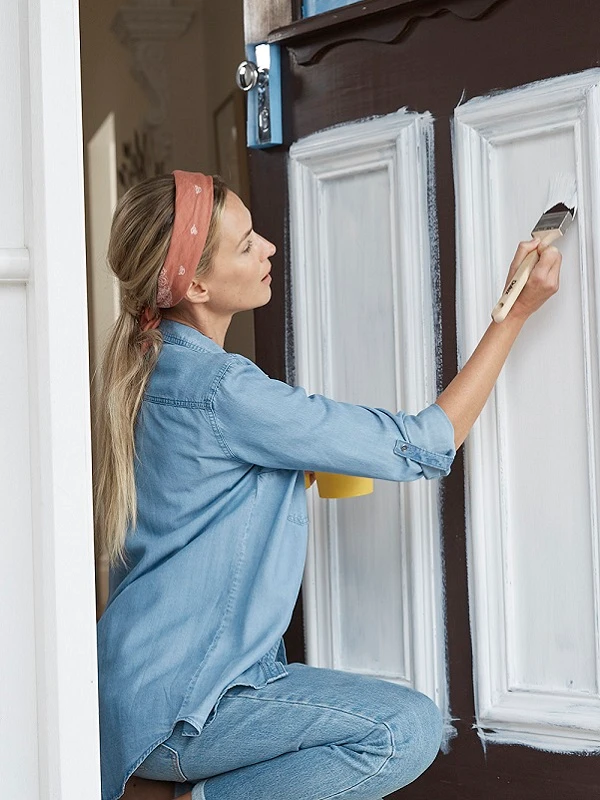
If you are using a brush and roller, paint the edges of the area
first. Painting window frames, skirtings, doors and mouldings are
worth doing carefully to get the best results. Always work in
sections and paint up to a natural break before stopping. Start at
the top and work down, painting with light even strokes, working
back into the wet edge.
Never try to paint over an area that is partially dried, as the
brush will leave marks in the surface. If you see a run in the wet
paint, paint over it as soon as possible with light even
strokes.
Rolling
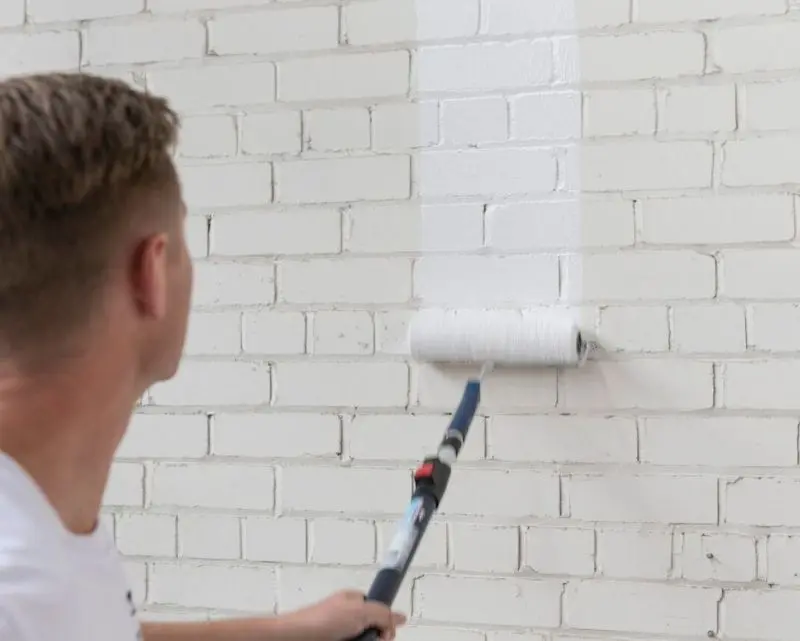
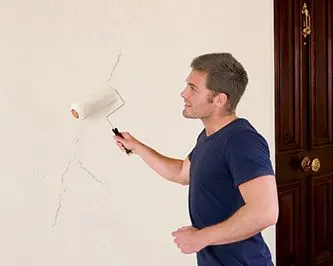
To use a roller you'll need a tray, frame, roller cover and
possibly an extension pole. Make sure you have the right roller for
the job. Generally speaking, 6-8mm nap covers are used for gloss
and semi gloss paints, 10-12mm nap covers for low sheen and flat
paints on walls and 20-32mm nap covers for most paints on rough
surfaces like concrete or textured walls.
Fit the roller to the frame. Pour paint into the reservoir at the
end of the roller tray. Do not overfill. Dip the roller lightly
into the paint, then roll it gently backwards and forwards on the
ramp to evenly distribute the paint on the roller cover. Slowly
roll the paint onto the surface in a series of close zig-zag
strokes. When the paint starts to run, re-roll the area with
parallel strokes to even the spread.
Never leave a paint-covered roller exposed to the air for any
length of time. Wrap it in plastic cling wrap when you take a short
break, and make sure to clean it completely after use.
Paint Application Pads
Application pads can be used for cutting in where there are lots
of edges to paint around. Simply load the pad with paint using a
paintbrush. Place it on the wall, checking the guide wheels are
clean, run the wheels along the architrave, skirting or corner.
Cleaning Up
If you are planning to continue the work the next day, just keep
the paint, brush and/or roller in the paint tray and cover with
foil or cling wrap. The next morning, run the brush or roller over
a newspaper a few times and it will be ready to use.
After the job is completed wash the rollers and brushes and paint
tray with water for water-based paints or mineral turps for
solvent-based paints. Do not use a spinning tool to clean brushes,
as this will make your brush flare. Wrap the clean brushes and
rollers with newspaper and secure with a rubber band. Store the
brushes flat or hang them on hooks.
Excess paint can be stored in the can. Never dispose of unwanted
paint by pouring it down household or stormwater drains.
Water-based paints can be treated with Dulux Envirosolutions Waste
Paint Hardener. This product turns the liquid paint into a solid
mass, which can then be placed in household waste. The can, once
emptied, can be placed in household recycling bins. Unwanted
solvent-based paints can be disposed of by pouring the excess onto
an absorbent material such as kitty litter, cardboard or shredded
paper. Allow to dry, and then dispose with your normal household
waste collection. For the disposal of larger quantities of paint,
contact your local council.
Dulux Facts
Colour can look different in morning light to afternoon light, so make sure you look at your chosen colour at different stages of the day.